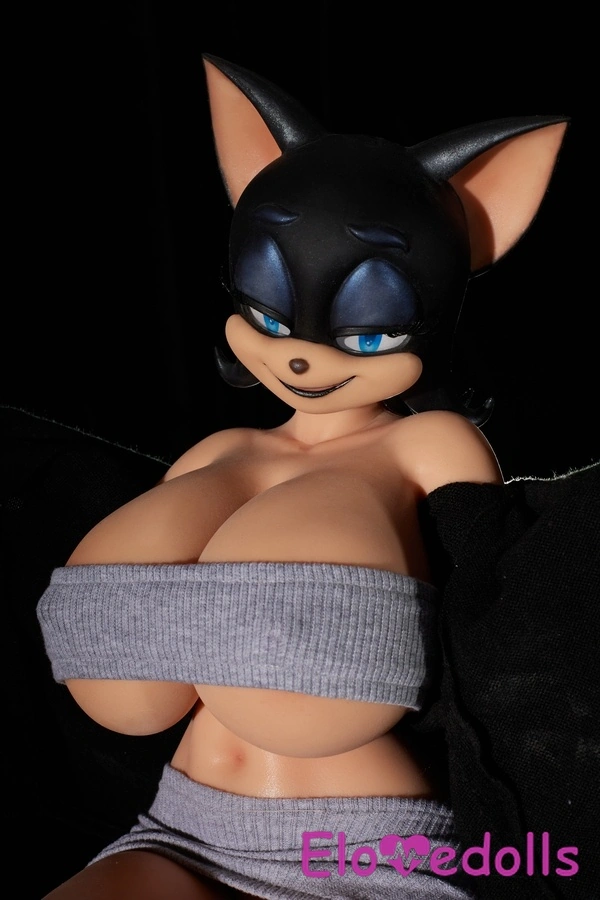
Quick Cleaning Steps
- Prepare lukewarm water (max 35°C) and antimicrobial soap.
- Gently pat foam onto flocked areas (DO NOT SCRUB).
- Rinse with low-pressure water.
- Pat dry with a microfiber towel.
- Apply TPE maintenance powder to smooth areas.
- Air dry with a fan; avoid hot blow dryers.
Introduction: The Weight of Companionship
The Emotional and Financial Investment
The acquisition of a high-fidelity sex doll, particularly one from the specialized "Furry" category, is rarely a casual impulse purchase. It represents the culmination of a significant financial commitment—often exceeding $2,000 or even $3,000 depending on customization—and, perhaps more importantly, an intense emotional investment. For many in the hobbyist community, these dolls are not merely inanimate objects or "toys"; they are synthetic companions, art pieces, and physical manifestations of a fantasy that bridges the gap between the digital and the tangible. The moment the crate arrives and the unboxing begins, a profound sense of responsibility often sets in, accompanied by a sudden, chilling realization of the object's fragility.
You are now the custodian of a 30kg to 50kg (65-110 lbs) sculpture made of soft, susceptible polymers. The anxiety is palpable and entirely understandable. You look at the pristine white flocking on the muzzle, the intricate gradient of the implanted fur, and the soft, yielding "skin" of the TPE (Thermoplastic Elastomer), and the fear of ruining it becomes paralyzing. What if I use the wrong soap? What if I stain the fur? What if the skin gets sticky and never recovers? This guide is written specifically to dismantle that anxiety. As a Senior Doll Restoration Expert at ELOVEDOLLS, I have spent years rehabilitating dolls that were loved too roughly or cleaned with the wrong chemicals. I have seen the devastating results of "aggressive hygiene"—scrubbed-off flocking, rusted doll skeleton components, and melted skin. But I have also seen dolls that are five, six, even ten years old that look as fresh as the day they were molded, all because their owners followed a disciplined, gentle maintenance routine using phthalate-free materials and proper TPE restoration techniques.
The Material Difference: Why Standard Guides Fail
The primary reason new owners damage their Furry dolls is that they follow maintenance guides designed for standard human-replica dolls. While a standard doll is a continuous surface of silicone or TPE, a Furry doll is a composite organism. It features distinct zones with radically different physical properties:
- The Substrate (TPE Skin): A porous, oil-based polymer that mimics the viscoelasticity of human flesh.
- The Flocking: Millions of tiny synthetic fibers (nylon or rayon) adhered vertically to the TPE substrate to create a velvet-like "fur" texture.
- The Implants: Long synthetic hair (Kanekalon or similar) rooted directly into the scalp or tail base.
Standard advice like "scrub with a loofah" or "wipe down with alcohol" is catastrophic for a Furry doll. Scrubbing creates shear force that rips flocking from its adhesive bed. Alcohol dissolves the TPE matrix and destroys the glue holding the fur in place. Treating a Furry doll like a standard TPE doll is akin to treating a suede jacket like a rubber raincoat—the methods are diametrically opposed. This guide will teach you to navigate these differences with the precision of a curator.
The Promise: By the end of this comprehensive report, you will possess the knowledge of a professional restoration artist. You will understand the chemistry of your companion, the physics of cleaning without damage, and the art of grooming. You will be a pro at keeping her looking brand new for years.
Step-by-Step: How to Clean a Furry Sex Doll Safely
The Setup: Ergonomics and Safety
Before we introduce water, we must address the logistics of moving a heavy, floppy object. A TPE doll has no active musculature; it is "dead weight" in the truest sense. Lifting a 40kg doll incorrectly is the fastest way to injure your back or, more relevant to our context, snap the doll's internal skeleton or tear the TPE skin.
The "Bear Hug" Protocol: Never lift the doll by a single limb. Grabbing an arm and pulling can torque the shoulder joint against the TPE skin, causing a tear in the armpit—a classic injury known as "stress tearing." Always move the doll using a "bear hug" technique: wrap your arms around the torso and lift with your legs, or support the doll under the buttocks and back.
Preparation of the Cleaning Station: For a Furry doll, the bathtub or a large walk-in shower is the ideal environment. However, TPE is soft and will deform if pressed against hard surfaces for too long.
- Padding: Line the bottom of the tub or shower floor with thick foam mats or plush towels. This protects the doll's heels, buttocks, and delicate tail attachments from flattening against the hard ceramic.
- Accessibility: Ensure all your tools—soap, cups, brushes, towels—are within arm's reach before you start. You do not want to leave a wet, slippery doll unattended to fetch a towel.
Water Thermodynamics: The Critical Importance of Lukewarm Water
The single most common question I receive is regarding water temperature. The answer is governed by the thermodynamics of thermoplastic elastomers. TPE is a block copolymer swollen with mineral oil plasticizers. Heat increases the kinetic energy of these oil molecules, accelerating their migration to the surface.
⚠ CRITICAL WARNING: NEVER use hot or boiling water. Hot water (above 40°C/104°F) does three things, all of them bad:
- Accelerates Oil Blooming: It forces the essential plasticizing oils out of the material rapidly. While some oil on the surface is normal, rapid depletion leads to premature aging, brittleness, and cracking of the TPE.
- Softens Flocking Adhesive: The glue holding the flocking fibers to the TPE is often heat-sensitive. Hot water can soften this bond, causing the fur to shed in clumps if touched.
- Warps the Form: Extreme heat can cause the TPE to relax and lose its molded shape, leading to deformation.
The Ideal: Lukewarm Only The water should be lukewarm (approximately 30°C - 35°C / 85°F - 95°F). This is the "Goldilocks" zone: warm enough to activate the surfactants in your soap and help dissolve bodily fluids or lubricants, but cool enough to maintain the structural integrity of the polymer and the adhesive bonds. If the water feels hot to your wrist, it is too hot for your doll. Think of this process like bathing a feverish child—gentle, tepid, and soothing. This temperature management is the first step in mastering "How to clean furry sex doll" hygiene.
Chemical Safety: The Soap Selection
Not all soaps are created equal. The market is flooded with harsh degreasers, scented body washes, and industrial cleaners. For TPE, and specifically for flocked TPE, the choice of chemical agent is critical.
- Avoid: Dish soaps (like Dawn). These are formulated to strip grease and oil from cookware. Since TPE is oil-based, dish soap attacks the material itself, leaving it dry, tacky, and prone to degradation.
- Avoid: Bleach and Alcohol. These are solvents that will chemically burn the TPE and dissolve flocking glue.
- Recommended: Mild, hypoallergenic soap with antimicrobial properties. Brands like Dial Gold (liquid) or specialized sex doll cleaners are ideal. The antimicrobial property is crucial for flocking (as we will discuss later), and the mild formulation cleans without stripping the essential oils from the TPE "flesh". Ensure the soap is phthalate-free to avoid long-term material degradation.
The Anatomy of Vulnerability
"Cleaning flocked sex doll" zones requires a complete shift in mindset. Flocking is not a solid surface; it is a forest of millions of tiny fibers standing on end. When dirt, dust, or fluids enter this forest, they settle at the "roots" (the glue layer). The instinct is to scrub to get the dirt out. You must suppress this instinct.
⚠ Destructive Habit Warning: NEVER scrub flocking. Scrubbing with a sponge, cloth, or brush applies shear force to the fibers. Because the fibers are long levers anchored by a tiny dot of glue, shear force creates torque that snaps the adhesive bond. The result is "balding"—permanent patches of smooth, shiny TPE where the fur used to be. Once flocking is gone, it cannot be replaced without expensive professional equipment.
The Technique: The "Dab and Pat" Method
To clean flocking safely, we rely on fluid dynamics and chemical action rather than mechanical abrasion.
- Wetting: Gently pour lukewarm water over the flocked area. Do not use high-pressure shower jets directly on the flocking, as the pressure can flatten the fibers or drive particulates deeper into the weave. Let the water flow over the surface naturally.
- Foam Application: Lather the antimicrobial soap in your hands first to create a rich foam. Do not apply liquid soap directly to the dry flocking, as it is difficult to rinse out and can leave a sticky residue.
- The "Pat" Action: Apply the foam to the flocked area and pat it gently with your hand or a soft, microfiber cloth. Imagine you are blotting a stain from a silk blouse. The goal is to push the soapy foam down into the fibers so the surfactants can surround the dirt particles and lift them up.
- Pro Tip: For stubborn stains on flocking (e.g., bodily fluids), let the soap foam sit for 60 seconds. This "dwell time" allows the chemistry to work so you don't have to scrub.
- Rinsing: Rinse with a gentle stream of lukewarm water until no bubbles remain. Squeeze the water out by pressing down with a flat hand or towel. Do not wring or twist.
Drying: The Battle Against Biofilms
Flocking traps moisture. While the TPE underneath is hydrophobic (water-repelling), the flocking network is hydrophilic (water-holding) due to capillary action. If left damp, this layer becomes a petri dish. Mold spores (Aspergillus, Cladosporium) thrive in damp, porous environments. If mold takes root in the flocking, it produces enzymes that eat the glue and pigments that stain the TPE black. These stains are often permanent.
The Protocol for Drying:
- The Absorbent Blot: Use a high-quality, lint-free microfiber towel. Lay it over the wet flocking and press firmly. Lift and repeat. Do not rub. The towel acts as a wick, pulling water out of the fibers.
- Active Airflow: Place the doll in a well-ventilated room. Aim a standard oscillating fan at the flocked areas. The moving air accelerates evaporation, which is critical.
- NO HEAT: Do not use a hair dryer on a hot setting. Heat melts glue. If you must use a dryer, use the "Cool Shot" button or the lowest speed setting, keeping the nozzle at least 12 inches away. The goal is air movement, not temperature increase.
The "Powder" Ritual: TPE Maintenance 101
The Science: Why is My Doll Sticky? Understanding Oil Bleeding
After cleaning and drying, you may notice that the smooth TPE areas (face, hands, breasts) feel "tacky" or sticky to the touch. This is not a defect; it is a characteristic of the material known as oil bleeding. TPE releases a microscopic layer of oil to the surface to maintain its softness. However, a sticky doll is a magnet for lint, dust, and pet hair. If this debris gets stuck to the TPE, it can be transferred to the flocked areas, where it is nearly impossible to remove.
To fix this, we must replace the sticky oil layer with a dry, silky interface. This is the function of "TPE maintenance powder". Proper oil bleeding control through regular powdering prevents the accumulation of surface tackiness and maintains the doll's pristine appearance.
The Solution: TPE Maintenance Powder vs. Baby Powder
Historically, talcum powder was the standard. However, due to health concerns regarding talc (and its potential link to asbestos contamination in lower-grade products), the industry has shifted.
- Cornstarch: Most modern "baby powders" are pure cornstarch. This is safe and effective, but it has a downside: if it gets wet, it turns into a paste that can harbor bacteria.
- Specialized Renewal Powder: The best option is a specialized TPE maintenance powder. These are often blends of refined cornstarch, silica, and other anti-caking agents designed specifically to coat the polymer evenly without clumping.
Step-by-Step: The "Velvet Skin" Application
Applying powder is an art. Dumping it from the bottle creates a mess and uneven clumps.
- Dryness Check: Ensure the doll is 100% dry. Even a drop of water will turn the powder into a gritty paste.
- The Tool: Use a large, fluffy makeup brush (kabuki brush) or a dedicated powder puff.
- Application:
- Dip the brush in the powder and tap off the excess.
- Gently dust the smooth TPE areas (neck, armpits, torso, groin).
- Avoid Flocking: Be extremely careful near the flocked areas. While powder won't damage the flocking, it gets trapped in the fibers, making black or dark fur look gray and dusty. If powder gets on the flocking, use a vacuum cleaner with a brush attachment on the lowest setting, or a can of compressed air to blow it out.
- Buffing: Once dusted, use your hand to gently "buff" the powder into the skin. This creates the coveted "Velvet Finish"—a surface that feels dry, soft, and realistic, reducing friction and preventing lint adhesion.
Pro Tip: Pay special attention to high-friction zones like the armpits, behind the knees, and the inner thighs. If these areas are sticky, the friction of movement can cause the TPE to grab and tear. Powder is a lubricant that prevents this damage.
Tail and Implanted Hair Care: Grooming Your Companion
The Complexity of Mixed Media
A Furry doll is a mixed-media sculpture. The tail often contains a metal wire armature for posing, and the head/body features implanted synthetic hair. These elements introduce new risks: tangling, matting, and the silent killer—rust.
Do not use a standard human hairbrush. The bristles are often too stiff and the tips too aggressive. TPE is soft; if you pull on a knot, the hair won't break—the TPE root plug will stretch and tear, pulling the hair out by the root. Once implanted hair is pulled out, re-rooting it is a difficult surgical procedure.
Recommended Tool: A "slicker brush" (commonly used for pets) or a wide-tooth metal comb. The fine, bent wires of a slicker brush are designed to glide through synthetic fur and remove tangles without pulling on the substrate. For comprehensive furry doll grooming, consider investing in a complete furry doll grooming kit that includes slicker brushes, detangling sprays, and specialized combs designed for synthetic fur maintenance.
Technique: The "Bottom-Up" Approach
- Detangling: Never start brushing from the root. Start at the very tips of the hair or tail fur. Gently tease out knots. Once the tips are free, move an inch up and brush down. Repeat until you reach the root.
- The "Root Hold": When brushing long hair, always hold the hair firmly at the base (close to the TPE skin) with your other hand. This absorbs the mechanical tension, ensuring that you are pulling against your own grip, not against the delicate TPE scalp.
- Static Control: Synthetic hair generates static, which attracts dust. Use a diluted fabric softener spray (1 part softener to 10 parts water) or a specialized wig detangler. Mist lightly before brushing to lubricate the fibers and discharge static.
The Tail Base: Rust Prevention
When "Washing doll tail" assemblies, you must be hyper-aware of the internal structure. Most tails are detachable, connecting via a magnetic plate or a threaded steel insert. Even if the tail is "permanently" attached, there is a metal spine inside.
The Threat: Water can wick into the tiny gap between the metal insert and the TPE. Once inside, it sits against the steel, causing oxidation (rust). Rust expands as it forms, which can split the TPE from the inside out. Worse, rust acts as a dye, bleeding through the TPE to create "Red Rot"—permanent orange stains on the doll's skin.
The Fix:
- Don't Submerge: If possible, wash the tail by holding the fur under the faucet while keeping the metal base dry.
- Compressed Air: After washing, use a can of compressed air (like for keyboards) to blast water out of the connection point, screw threads, or magnetic recess.
- Lubrication: Apply a tiny drop of mineral oil or silicone grease to the metal threads/magnets. This creates a hydrophobic barrier that repels moisture and prevents rust.
Emergency TPE Repair: Fixing Small Tears
When Accidents Happen During Cleaning
Despite your best efforts, small cuts or tears can occur during cleaning, especially when handling a heavy furry sex doll or when equipment catches on delicate flocking. The good news is that minor damage to smooth TPE areas can often be repaired at home using proper TPE restoration techniques. However, damage to flocked areas typically requires professional intervention, as the adhesive layer cannot be easily restored.
The TPE Glue Fusion Method
For small tears (under 2cm) on smooth TPE surfaces, the "TPE Glue Fusion" method can effectively restore the material's integrity. This technique uses specialized TPE adhesive that chemically bonds with the existing polymer matrix.
⚠ CRITICAL WARNING: NEVER use superglue (Cyanoacrylate) or standard household adhesives on TPE. These adhesives contain solvents that react with the TPE polymer chains, causing the material to become brittle, crack, and eventually fail. Superglue also creates a hard, visible seam that ruins the doll's aesthetic. Always use phthalate-free TPE-specific repair compounds designed for TPE restoration.
Step-by-Step Repair Process
- Clean the Wound: Gently clean the tear area with lukewarm water and mild soap. Ensure the area is completely dry before proceeding.
- Prepare the Edges: If the tear has jagged edges, use a clean, sharp blade to create smooth, parallel edges. This ensures better adhesion.
- Apply TPE Glue: Using a TPE Repair Kit, apply a thin layer of TPE adhesive to both edges of the tear. Follow the manufacturer's instructions for application temperature and curing time.
- Fusion Process: Press the edges together firmly and hold for the recommended duration (typically 30-60 seconds). The adhesive will create a molecular bond with the existing TPE.
- Curing: Allow the repair to cure completely (usually 24-48 hours) before resuming normal use. Avoid stressing the repaired area during this period.
- Finishing: Once cured, gently sand the seam with fine-grit sandpaper (800-1000 grit) to blend the repair with the surrounding surface. Apply TPE maintenance powder to restore the matte finish.
When to Seek Professional Help
If the tear exceeds 2cm, involves the flocked surface, or affects the doll skeleton attachment points, professional TPE restoration is recommended. Large repairs require specialized equipment and expertise to ensure structural integrity and aesthetic quality. Additionally, if you notice oil bleeding (excessive oil migration) around the damaged area, this may indicate deeper structural issues that require professional assessment.
Storage Solutions: Avoiding the "Flat Spot" Nightmare
Gravity is the Enemy
TPE is a viscoelastic material. This means it flows like a liquid over long periods, even at room temperature. This property, known as "creep," is the enemy of storage. If a doll is left sitting on a hard surface for weeks, the weight of the body will push the TPE away from the contact point, creating a permanent flat spot.
Furry Specifics: Protecting the Snout and Tail
- The Snout/Muzzle: The muzzle of a Furry doll is a cantilevered projection of soft TPE. If the doll is stored face-down, the weight of the head (5-8kg) rests entirely on the nose. Within days, the muzzle will flatten and twist, ruining the facial aesthetics. Never store a Furry doll face down.
- The Tail: If the tail contains a wire armature, storing the doll on its back without support can crush the tail, bending the internal wire or matting the fur permanently.
Best Practice: Suspension and Support
- Hanging: The absolute best way to store a doll is hanging. Most high-end dolls come with a standing bolt (a threaded insert in the neck or head) and a hook. Hanging allows gravity to pull the limbs straight, preventing creases in the joints and flat spots on the buttocks. It also ensures the delicate flocked surfaces are not touching anything.
- The Bed Method (Lying Flat): If hanging is not possible, store the doll lying on its back on a soft surface, such as a memory foam mattress or a dedicated storage box lined with egg-crate foam.
- Tail Gap: If the tail is non-detachable, position the doll so the tail hangs off the edge of the bed or sits in a gap between pillows to avoid pressure.
- Head Support: Use a U-shaped travel pillow to support the neck, keeping the head "floating" so the back of the hair/wig doesn't get matted against the mattress.
Technical Deep Dive: Comparative Material Analysis
To reinforce why these specific protocols are necessary, we can compare the properties of the doll's components in a structured format. This helps visualize why "one cleaner fits all" is a fallacy.
| Feature |
Smooth TPE (Skin) |
Flocked TPE (Fur Areas) |
Internal Skeleton (Metal) |
| Porosity |
Micro-porous (Oil Migrates Out) |
Macro-porous (Traps Dirt/Water) |
Non-porous (Susceptible to Oxidation) |
| Water Risk |
Low (Hydrophobic) |
High (Capillary Action / Mold) |
High (Rust / "Red Rot") |
| Cleaning Action |
Wipe / Buff |
Pat / Dab (No Scrubbing) |
Dry Wipe / Oil |
| Primary Enemy |
Heat / Solvents / Dye Transfer |
Friction / Shear Force / Biofilms |
Moisture / Salt |
| Maintenance |
Regular Powdering |
Air Fluffing / Gentle Rinsing |
Lubrication of Joints |
The Chemistry of Stickiness (Oil Bleeding and Migration)
Understanding why the doll gets sticky helps reduce the panic. TPE is a compound of Styrene-Ethylene-Butylene-Styrene (SEBS) mixed with mineral oil. The oil is the "plasticizer"—it sits between the polymer chains, lubricating them so they can slide past each other, creating softness. Thermodynamically, the oil prefers to be on the surface to lower surface energy. This "blooming" or oil bleeding is constant. When you wash the doll with strong soap (dish soap), you strip the surface oil and the oil just below the surface. The material responds by rushing more oil to the surface to replenish the loss, often resulting in a doll that feels stickier faster. Insight: This is why mild, phthalate-free soap is key. We want to clean the dirt sitting on the oil, not strip the oil itself. Powder then creates a "composite skin"—a layer of oil-saturated cornstarch that is stable, dry, and soft. Effective oil bleeding control through proper powdering maintains the doll's tactile quality while preventing surface tackiness.
Conclusion & Call to Action
Summary: The Ritual of Bonding
Routine maintenance is not a chore to be dreaded; it is the ritual that sustains the illusion of life. Every time you gently pat the flocking dry, meticulously detangle the tail, or powder the skin to a velvet finish, you are not just cleaning plastic—you are curating an art piece and caring for a companion. You are protecting the investment you made, ensuring that the "Uncanny Valley" remains a distant concern and that the tactile reality of your Furry doll remains immersive.
By following the "Golden Rules"—lukewarm water, no scrubbing, antimicrobial mildness, and gravity-defying storage—you transform from a nervous owner into a skilled restorationist. You maintain the bond, the beauty, and the value of your partner.
Call to Action
Missing the right tools? Don't risk ruining your investment with random household chemicals. We have seen too many beautiful dolls ruined by dish soap and rough towels. Ensure you have the professional-grade essentials designed specifically for the unique chemistry of TPE and flocking. Shop our specialized Furry Care Kits today, containing:
- Safe Renewal Powder: (Talc-Free, formulated with flow agents for TPE).
- Soft-Bristle Slicker Brushes: (Engineered to glide through implanted fur without pulling plugs).
- Antimicrobial Spray: (Alcohol-free, safe for preventing mold in flocking).
- Microfiber "Pat-Dry" Towels: (High absorbency, zero friction).
People are also asking (FAQ)
Can I use regular body wash on my flocked doll?
Generally, no. Regular body washes often contain moisturizers, essential oils, or heavy fragrances that can degrade the TPE or leave a sticky residue on the flocking that attracts dirt. It is safer to use a mild, antimicrobial soap (like Dial Gold liquid) or a dedicated sex doll cleaner. Always lather the soap in your hands first to create foam before applying; never apply thick gel directly to the flocking, as it is difficult to rinse out completely.
How often should I powder my TPE doll?
You should powder the doll after every cleaning once it is completely dry. This restores the protective barrier removed by washing. Additionally, if you live in a warm or humid climate, or if you notice the doll becoming shiny or tacky between uses, a light maintenance dusting is recommended. TPE naturally "sweats" oil, so regular powdering keeps the skin soft, matte, and protected from absorbing environmental dust.
How do I clean the tail without damaging the fur?
If the tail is detachable, remove it to clean it separately—this is much safer for the doll's heavy body. Use a mild shampoo and cool to lukewarm water. Gently squeeze the suds through the fur—do not rub or scrub. Rinse thoroughly. Shake out excess water and let it air dry completely. Once dry, use a slicker brush to gently detangle from the tips working up to the root. If the tail has a metal base, dry it immediately with compressed air to prevent rust.
Is it safe to use a hair dryer to speed up drying?
Only if used on the "Cool" or "Cold" setting. Heat is the enemy of TPE and the glue used for flocking. A hot hair dryer can melt the skin surface, loosen the flocking adhesive leading to balding, or cause the TPE to warp permanently. An oscillating fan placed nearby is the safest, most effective method for drying flocked areas thoroughly.
What do I do if I get a stain on the flocked area?
Do not scrub! Scrubbing will remove the flocking fibers. Instead, try the "tape method": gently press a piece of masking tape onto the dry stain to lift off surface debris. If the stain persists, dampen a soft toothbrush with mild soapy water and gently "stipple" (tap up and down) the area to lift the stain. For stubborn organic stains, a benzoyl peroxide cream can be used on smooth TPE, but avoid using it on flocking as it may bleach the fibers.
Troubleshooting: The Stain Removal Battle Guide
Different stains require different treatment approaches. The following table provides a comprehensive reference for handling common staining scenarios on furry sex dolls:
| Stain Type |
Safe Treatment |
Risk Level |
| Clothing Dye |
Apply 10% benzoyl peroxide cream (on smooth TPE only). Wait 24 hours, then rinse thoroughly. For flocked areas, use tape lift method first. |
Moderate (Bleaching risk on flocking) |
| Dirt/Grime on Flocking |
Mild hypoallergenic soap foam + Tape lift method. Gently pat with microfiber cloth. Rinse with lukewarm water. |
Low |
| Oil/Grease |
Dish soap spot treatment (diluted) on affected area only. Rinse immediately with lukewarm water. Follow with standard cleaning protocol. |
Medium (Risk of TPE drying if not rinsed promptly) |
| Ink/Sharpie |
Permanent damage likely. Attempt gentle isopropyl alcohol (70%) on smooth TPE only—test on hidden area first. For flocking, consult professional TPE restoration service. |
High (May require professional repair) |
| Mold/Mildew |
Immediate treatment: Dilute white vinegar (1:3 ratio) applied with soft cloth. Rinse thoroughly. Ensure complete drying to prevent recurrence. Consider antimicrobial spray for prevention. |
Moderate (Can cause permanent staining if untreated) |
Author name: Ava

Ava is a specialized maintenance expert at ELOVEDOLLS with extensive experience in caring for furry sex dolls and flocked TPE companions. Ava's advice is based on 5 years of material science research into TPE polymers and flocking adhesives. Having worked with hundreds of furry doll owners, Ava has developed proven techniques for cleaning flocking, maintaining TPE materials, and preventing common issues like mold, rust, and flocking loss. Her expertise in the unique challenges of furry doll maintenance—from proper water temperature control to specialized powder application—has helped countless owners preserve their companions for years. This comprehensive guide reflects Ava's deep understanding of the delicate balance between effective cleaning and material preservation, ensuring your furry sex doll remains pristine and beautiful for the long term.