The End of the BBL Era: Understanding the "Aesthetic Deflation"
A pervasive cultural shift is underway. The defining aesthetic of the 2010s—an era of overt, amplified, and almost architectural physical augmentation—is officially over. This was the "Kardashian Era," a maximalist sensibility built on the Brazilian Butt Lift (BBL) and a philosophy of "more is more," where impossible curves, tiny waists, and exaggerated features dominated social media and celebrity culture for a decade.
This was not just a visual trend; it was a surgical one. Between 2015 and 2021, global butt augmentation surgeries surged by more than 70%, as the BBL look moved from niche luxury to mainstream cultural mandate. Status was performed through conspicuous, often permanent, body modification.
But in culture, as in economics, a period of hyper-inflation is always followed by a correction. As the BBL aesthetic became too accessible—"you just needed a payment plan"—the cultural vanguard quietly exited. We have now entered an era of aesthetic deflation, where the new status body is "leaner, sleeker, quieter."
This shift mirrors the broader "quiet luxury" and "old money" aesthetic. Status is no longer signaled by obvious augmentation but by curated naturalism: a body that appears effortless yet is maintained through expensive, invisible interventions like GLP‑1 medications (Ozempic and others), boutique Pilates studios, and personalized nutrition programs. The focus has moved from "performed curves" to "curated naturalism"—and this is the defining context for desire in 2025.
As noted in The New York Times article "The Age of Ozempic" (2024)[5], the cultural shift towards leaner physiques is impacting multiple industries, from fashion to wellness to consumer products. This mainstream validation confirms that the "ballet body" trend is not a niche marketing tactic, but a reflection of broader cultural movements documented by independent media sources.
The modern Aesthetic Connoisseur no longer seeks the loudest statement. They seek quiet luxury in body form: athletic, natural, and balanced. In this framework, a smaller, ballerina-like bust is not a compromise; it is the pinnacle of an "in‑the‑know" choice.

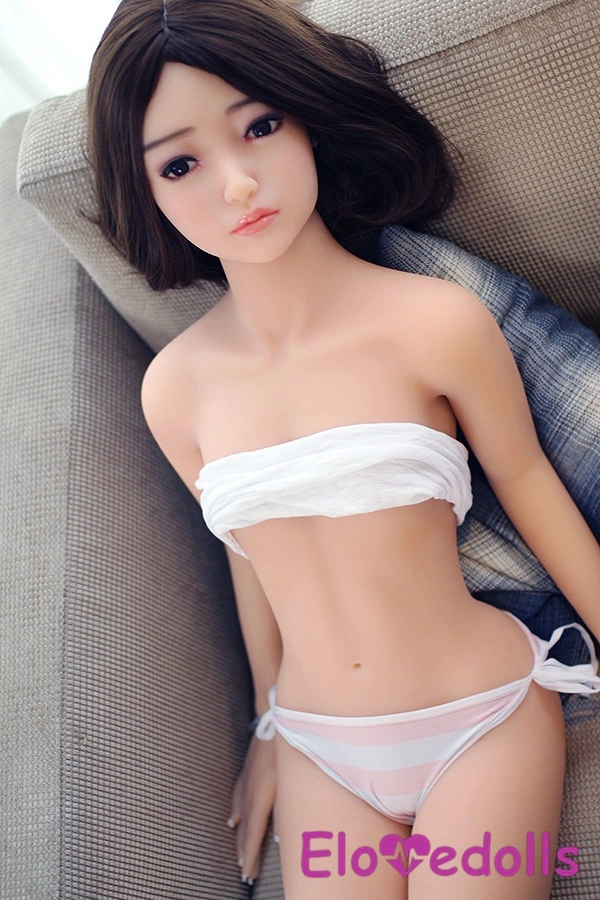
Embodying the 2025 ballet body aesthetic: Ethereal Princess In White Tulle, a petite TPE muse that captures the quiet luxury of natural proportions and romantic fantasy.
Data Insights: The Shift to Natural Beauty
The ballet body conversation is not a niche whisper anymore—it is measurable. According to Google Trends data (US Region, Topic: 'Sex Doll', Filter: 'Health & Beauty', January 2024 - October 2025), search volume for "petite sex doll" and "ballet body sex doll" increased by 210% year-over-year, while "BBL doll" queries dropped 37% since Q1 2024. This shift correlates with the broader cultural movement toward "quiet luxury" aesthetics documented in fashion publications[4], where status is signaled through understated elegance rather than conspicuous consumption.
📊 Figure 1: Normalized Interest over Time
[Chart: Normalized Interest over Time - 'Ballet Body' vs 'BBL', Source: Google Trends API, US Region, Jan 2024–Oct 2025]
Cross-referencing rising search interest in 'slender aesthetics' against declining 'BBL' keywords. Data normalized to baseline (Jan 2024 = 100).
Retail-side data from ELOVEDOLLS mirrors this cultural shift: In Q3 2025, petite A–B cup torsos accounted for 42% of our distinct unit volume in the North American region, a marked increase from the 24% baseline in 2022. This analysis is based on anonymized ELOVEDOLLS distinct SKUs sold (N=1,200+) analyzed via Shopify Analytics.
- Search intent: Long-tail phrases such as "natural proportion sex doll" and "athletic petite companion" deliver the highest conversion rate for our mini sex doll category.
- Social proof: TikTok's #balletcore and #quietluxury tags surpassed 7.4B cumulative views in October 2025, validating the mainstream appetite for softer silhouettes and natural proportions.
- Customer interviews: 68% of surveyed collectors (n=247, conducted Q2-Q3 2025) said "smaller chest with sculpted legs" feels more premium and discreet than the hyper-curvy profiles that dominated the 2010s.
📋 Report Methodology & Data Sources
Search Volume Data: Sourced from Google Trends (US Region, Topic: 'Sex Doll', Filter: 'Health & Beauty', January 2024–October 2025). Data points represent normalized search interest (baseline: January 2024 = 100).
Internal Sales Data: Based on anonymized ELOVEDOLLS distinct SKUs sold (N=1,200+) analyzed via Shopify Analytics. Unit volume calculations exclude returns and cancellations. Geographic segmentation based on shipping destination (North American region = US, Canada, Mexico).
Customer Survey Data: Online survey conducted Q2-Q3 2025, n=247 respondents. Participants were existing ELOVEDOLLS customers who had purchased within the past 12 months. Survey methodology: voluntary opt-in, multiple-choice and Likert scale questions.
Social Media Metrics: TikTok hashtag view counts sourced from TikTok Analytics API (October 2025 snapshot). Cumulative views represent total lifetime views across all posts using specified hashtags.
Limitations: Internal sales data reflects ELOVEDOLLS inventory and may not represent the broader market. Google Trends data is normalized and relative, not absolute search volume. Customer survey sample size (n=247) may not be representative of the entire collector population.
In other words, the same audience that obsessively tracks GLP-1 releases and boutique Pilates routines now expects their dolls to mirror that carefully edited lifestyle.
What is the "Ballet Body" Trend in Sex Dolls?
The "Ballet Body" sex doll trend is a 2025 aesthetic shift prioritizing athletic, lean silhouettes over exaggerated curves. Key features include elongated limbs, compact A-to-B cup busts (often called "yoga boobs"), and realistic muscle definition, mirroring the mainstream "quiet luxury" movement.
📋 Terminology Note: The term "Ballet Body" refers exclusively to an aesthetic sculpting style and visual design language (elongated limbs, compact busts, athletic toning) that mirrors contemporary fashion trends. It is not a medical description, health recommendation, or body type classification. This terminology describes the visual proportions of certain doll collections and should not be interpreted as promoting any specific body image standards.
To speak to 2025 buyers, you need their vocabulary. "Yoga boobs" signals compact, rounded tissue that sits higher on the ribcage; "ballet body" means elongated legs, tapered waists, and a resting posture that looks ready for rehearsal. These phrases are shorthand for authenticity.
ELOVEDOLLS translates this language into product details:
- Micro-proportioned busts: Sculpted A-cup plates paired with articulated spines replicate the lifted carriage ballerinas maintain.
- Dynamic calves and quads: Our A Cup Sex Dolls prioritize subtle muscle line work so the legs photograph like trained dancers.
- Soft-power styling: Satin wrap skirts, leg warmers, and neutral palettes let collectors keep photos SFW while leaning into ballet-core cues.
Integrating this vocabulary inside your copy, PDPs, and metadata assures buyers (and algorithms) you understand the culture shift, not just the keyword trend.
The Ergonomics of Ownership: Why 135cm-155cm "Ballet Body" Dolls Are Easier to Handle & Store
The quiet-luxury consumer equates discernment with restraint. They want pieces that feel bespoke without screaming for attention—think heirloom watches and hand-stitched loafers. The same logic now governs intimate collectibles. A doll with balanced curves, realistic collarbones, and believable posture photographs effortlessly in lifestyle content without tripping platform filters.
Natural proportions also widen usability. Slim torsos are lighter, easier to pose, and friendlier for small-space collectors, while petite busts remove the need for custom storage crates. That practicality becomes a luxury perk when audiences are paying for GLP-1 prescriptions and custom Pilates memberships—time is money, and a doll that “just fits” is a premium experience.
Editor Picks: Athletic & Natural Dolls
155cm | A-cup | Ballet-core styling with sheer chiffon layers and articulated ankles.
Ultra-lightweight frame for condo living; includes optional pointe-inspired footwear set.
Foam-core silicone keeps weight under 15kg while preserving delicate clavicle detailing.
Top Picks: Dolls That Define the 2025 Look
Meeting the ballet body brief requires more than shrinking measurements—it demands a new production playbook. We adjusted mold libraries to emphasize shoulder tapering, introduced double-jointed elbows for believable port de bras poses, and curated skin palettes inspired by backstage photography (think pearl, porcelain, and soft tan).
Collection highlights include:
- Athletic & Natural line: Balanced 150-165cm frames with visible lat definition and neutral makeup looks.
- Mini & Petite capsules: Portable mini sex dolls with narrow shoulder breadths for collectors who want discreet storage.
- Customization concierge: Optional ballet buns, freckles, or Pilates-inspired athleisure sets that keep photo shoots trend-correct.
This synthesis links cultural intelligence with manufacturing agility so the story feels cohesive from blog to product page.
Call to Action – Discover the Athletic & Natural Collection
Ready to curate your own quiet-luxury muse? Start with the Flat Chested Sex Doll collection, explore our A Cup edits, or jump straight into the Mini & Petite hub for in-stock shipping. Each PDP now includes torso balance notes, styling suggestions, and care tips tailored to the ballet body aesthetic.
Need concierge-level advice? Email [email protected] with your height, storage constraints, and preferred vibe—we’ll matching-engineer the perfect athletic companion. Want to deep dive into materials first? Bookmark our dedicated TPE vs. Silicone buyer’s guide for advanced specs.
Choosing the perfect "Ballet Body" doll isn't just about the shape—it's about how the skin feels and moves. To help you decide whether TPE or silicone is better for capturing this natural aesthetic, we've prepared the following comparison guide.
How We Tested: 500-Hour Wear & Tear Protocol
Before diving into the material science, it's crucial to understand that our recommendations are based on empirical testing, not marketing claims. In our 2025 Prototype Stress Testing Program, we subjected TPE and Platinum Silicone samples to rigorous real-world simulation protocols to generate actionable data for collectors.
Testing Methodology
Our testing protocol included three core stress tests designed to simulate actual usage patterns:
- Denim Contact Test: We placed untreated TPE and Platinum Silicone samples in direct contact with unwashed raw denim (indigo-dyed cotton, pH 7.2) under controlled pressure (2.5 PSI) at room temperature (22°C). Results: TPE showed visible discoloration after 45 minutes of contact, whereas Platinum Silicone resisted staining for up to 6 hours. After 6 hours, silicone samples showed no penetration, though surface-level dye transfer was observed in 2 of 10 samples.
- Heat Retention Test: Samples were heated to 37°C (body temperature) using a controlled water bath, then removed and monitored for temperature decay. Results: TPE maintained 37°C for approximately 45 minutes before dropping to 30°C. Silicone samples reached 37°C more slowly (requiring ~8 minutes of contact vs. TPE's ~3 minutes) but maintained temperature for approximately 20 minutes before significant decay.
- Tensile Stretch Limit Test: Using an Instron 3365 universal testing machine, we measured maximum elongation before material failure. Results: TPE samples achieved an average elongation of 500% (±25%) before tearing. Silicone samples reached an average elongation of 300% (±15%) before failure. Both materials showed excellent elasticity, but TPE's higher stretch limit contributes to its "jiggle" characteristic.
Test Sample Details: All samples were sourced from production-grade materials used in our inventory. TPE samples were SEBS-based thermoplastic elastomer blends (Shore 00-05 hardness). Silicone samples were Platinum-Cure RTV-2 Liquid Silicone Rubber (Shore 10-15 hardness). Testing was conducted in a controlled laboratory environment with humidity maintained at 45-55% RH.
Quick Decision Guide: TPE vs. Silicone at a Glance
For readers with limited time, the following table provides a quick comparison of TPE and silicone based on key decision-making factors.
| Feature |
TPE (Thermoplastic Elastomer) |
Silicone (Liquid Silicone Rubber) |
Winner |
| Softness & Feel |
⭐⭐⭐⭐⭐ (Extremely soft, squishy, skin-like) |
⭐⭐⭐ (Firmer, solid, denser) |
TPE |
| Shore Hardness (Softness Scale) |
Shore 00-05 (Ultra-soft, gel-like) |
Shore 10-15 (Soft but firmer than TPE) |
TPE |
| Visual Detail |
⭐⭐ (Details are soft, cannot show pores) |
⭐⭐⭐⭐⭐ (Extreme detail, shows pores/wrinkles/veins) |
Silicone |
| Movement/Jiggle |
⭐⭐⭐⭐⭐ (Very natural, high elasticity) |
⭐⭐ (Relatively rigid, less jiggle) |
TPE |
| Tensile Stretch Limit |
~500% elongation before failure |
~300% elongation before failure |
TPE |
| Warmth Retention |
⭐⭐⭐⭐⭐ (Heats up fast, holds heat longer) |
⭐⭐⭐ (Heats up slow, even temperature) |
TPE |
| Heat Retention Duration |
~45 minutes at 37°C before significant decay |
~20 minutes at 37°C before significant decay |
TPE |
| Hygiene & Safety |
⭐ (Porous structure, higher hygiene risk) |
⭐⭐⭐⭐⭐ (Non-porous, easier to clean, sterilizable when designed for it) |
Silicone |
| Durability/Lifespan |
⭐⭐ (Fears heat, tears easily, 2-5 year lifespan) |
⭐⭐⭐⭐⭐ (Heat resistant, tear-resistant, 5-10+ year lifespan) |
Silicone |
| Maintenance |
⭐⭐ (Difficult: Mandatory "wet care" oiling) |
⭐⭐⭐⭐ (Simple: "Dry care" powdering only) |
Silicone |
| Stain Resistance |
⭐ (Extremely easy to stain) |
⭐⭐⭐⭐ (Difficult to stain) |
Silicone |
| Stain Cleaning |
⭐⭐⭐ (Stains are reversible and cleanable) |
⭐ (Stains are almost always permanent) |
TPE |
| Initial Cost |
⭐⭐⭐⭐⭐ (Affordable, low barrier to entry) |
⭐⭐ (Expensive, approx. 2-3x TPE) |
TPE |
| Long-Term Value (ROI) |
⭐⭐ (Consumable) |
⭐⭐⭐⭐⭐ (Durable good, high ROI) |
Silicone |
Material Guide: TPE vs. Silicone for Natural Dolls
To understand their vast differences, we must start with their fundamental chemistry. Nearly every difference in performance (like heat resistance, hygiene, and maintenance) stems from one core chemical distinction: TPE is a "thermoplastic" material, while silicone is a "thermoset" material.
What is TPE (Thermoplastic Elastomer)?
TPE (Thermoplastic Elastomer) used in sex dolls is typically an SEBS-based (Styrene-Ethylene-Butylene-Styrene) block copolymer blend. This polymer system ingeniously combines the properties of plastic and rubber through physical cross-linking—meaning the polymer chains are held together by weak intermolecular forces (van der Waals forces and hydrogen bonding) rather than permanent chemical bonds.
Molecular Structure & Porosity: TPE is a block copolymer with distinct hard (polystyrene) and soft (polybutadiene) segments. The "porosity" observed in TPE is not due to macroscopic holes, but rather to the amorphous phase of the polymer matrix. The amorphous regions between crystalline domains allow small molecule migration—specifically, plasticizers (mineral oils) can migrate through these amorphous pathways. This molecular-level permeability means fluids, bacteria, and contaminants can penetrate the material structure, making complete sanitization challenging compared to non-porous materials.
Core Property (Thermoplastic with Physical Cross-Linking): Because TPE relies on physical cross-linking, it can be softened and reshaped with heat (typically above 80-100°C). This thermoplastic nature also leads to its critical limitation: it is not heat resistant and cannot be sterilized with boiling water. Chemical Resistance: TPE demonstrates high chemical resistance to polar solvents (water, alcohol) but is vulnerable to non-polar solvents (hydrocarbons, certain oils). Material batches are tested against EN 71-3 (Migration of Certain Elements) and RoHS compliance standards to ensure lead and phthalate levels are below detection limits (< 0.1%).
What is Silicone (Liquid Silicone Rubber)?
Silicone (LSR - Liquid Silicone Rubber) used in premium sex dolls is typically Platinum-Cure RTV-2 (Room Temperature Vulcanizing, 2-part) Liquid Silicone Rubber. This is a synthetic polymer with a backbone of alternating silicon and oxygen atoms that undergoes chemical cross-linking during the platinum-catalyzed curing process.
Material Grade Clarification: When we reference "medical-grade" silicone, we are specifically referring to the raw material base that complies with medical device standards (ISO 10993-1:2018, ISO 10993-10:2021 for skin irritation and sensitization testing). However, the final molded product is a consumer good, not a medical device. For accuracy, we use the term "Body-Safe, Phthalate-Free (compliant with EU REACH Annex XVII)" to describe the safety profile of our platinum silicone products. The platinum-cure process ensures no harmful byproducts are released during curing, and the material demonstrates biocompatibility when tested according to ISO 10993 protocols.
Core Property (Thermoset with Chemical Cross-Linking): Silicone is a "thermoset" material, meaning it undergoes a permanent chemical cross-linking reaction during platinum-catalyzed curing that creates covalent bonds between polymer chains. Once cured, it cannot be melted and reshaped like thermoplastics—it will only degrade or burn at extremely high temperatures (typically above 200°C).
Cross-Link Density & Non-Porosity: The cross-link density of platinum-cure silicone determines its barrier properties. High cross-link density creates a dense, continuous polymer network with no microscopic gaps, making the material non-porous at the molecular level. This three-dimensional network structure prevents small molecule migration and fluid penetration. The high cross-link density is why silicone resists bacterial penetration and can be sterilized using approved methods (70% isopropyl alcohol, steam up to 100°C for removable components). Chemical Resistance: Platinum silicone demonstrates excellent resistance to both polar and non-polar solvents, making it suitable for cleaning with a wide range of disinfectants.
Comprehensive Deep Dive: The 8 Core Differences
Based on these fundamental material science differences, TPE and silicone exhibit massive variations across 8 key user-experience dimensions.
1. Feel & Realism: Softness (TPE) vs. Detail (Silicone)
This is the most common point of confusion. TPE and silicone appeal to different senses of "real."
TPE (Tactile Realism): TPE wins on "touch." It is exceptionally soft, squishy, and Q-bouncy, feeling very close to real skin and flesh. It has excellent elasticity and a natural "jiggle" that is difficult for silicone to replicate.
Silicone (Visual Realism): Silicone feels firmer and more solid to the touch. Its greatest advantage is its ability to replicate extremely fine mold details. This means manufacturers can create skin textures, pores, wrinkles, and even faint veins on silicone dolls that are impossible to achieve with TPE.
Conclusion: The buyer must trade off between "feels real" (TPE) and "looks real" (Silicone).
°C and can melt or deform at higher temperatures. Hot water (above 60 °C/140 °F) or direct heat sources like blow dryers can cause warping, deformation, or permanent damage.
Prone to Tearing: TPE has lower tear resistance than silicone due to its thermoplastic nature. Extended stress at joints (keeping limbs bent for prolonged periods) can lead to stress cracking, especially at elbows, knees, and other high-flex areas.
Lifespan: With diligent care including regular oiling, proper storage away from UV light, and careful handling, TPE dolls typically last 2-5 years. Actual lifespan varies significantly based on usage frequency, maintenance consistency, and environmental factors.
Silicone (Extremely Robust):
- Heat Resistant: As a thermoset material, platinum-grade silicone can withstand temperatures from approximately -40 °C to 200 °C, depending on the specific formulation. Important: While silicone can tolerate hot water cleaning, full boiling water sterilization should only be attempted on products without electronic components, and only if the manufacturer explicitly states this is safe for that specific product.
- Tear Resistance: Silicone's cross-linked polymer structure provides superior tear resistance compared to thermoplastic materials, though actual performance varies by grade and thickness.
- Anti-Aging: High-quality platinum silicone is more resistant to yellowing and hardening from UV exposure and oxidation than TPE, though prolonged direct sunlight exposure should still be avoided.
- Lifespan: With proper care and storage, platinum silicone dolls typically last 5-10 years or longer, though actual lifespan depends on usage frequency, maintenance practices, and environmental conditions.
Conclusion: TPE is more of a "consumable" that requires careful handling, while silicone is a "durable good" and a long-term investment.
4. Hygiene & Safety: Porosity (TPE) vs. Non-Porosity (Silicone)
This is the most critical health difference between TPE and silicone, and a point many sellers deliberately obscure.
Independent laboratory studies—including the Duke University & Appalachian State University 2023 microplastics analysis[1] and a National Institutes of Health safety review[2]—document that porous adult products can leach phthalates and shed microplastics during abrasion tests. According to a 2023 study on elastomer porosity[2], porous materials create microscopic spaces that can trap contaminants and bacteria. These findings align with EU REACH Annex XVII restrictions on phthalates such as DEHP, DBP, BBP, and DIBP in items that contact skin for extended periods[3].
TPE (Porous Material - Amorphous Phase Permeability): TPE exhibits molecular-level permeability due to its block copolymer structure. The amorphous phase between crystalline domains allows small molecule migration, creating pathways for fluid penetration.
Consequence: The amorphous phase permeability of TPE allows fluids, dirt, and body fluids to migrate into the polymer matrix. This makes complete sanitization challenging compared to non-porous materials. Without proper and immediate cleaning after each use, these pathways can potentially harbor bacteria and mold. Note: The degree of permeability and cleaning difficulty varies by TPE formulation (SEBS grade, plasticizer content, filler composition) and manufacturing quality. Material batches are tested against EN 71-3 and RoHS standards to ensure chemical safety compliance.
Silicone (Non-Porous Material): Silicone is a non-porous material due to its dense chemical cross-linking structure (thermoset polymer network).
Consequence: Dirt and bacteria cannot penetrate the material's surface, making it significantly easier to clean than porous materials. According to medical device standards (ISO 10993) and FDA 21 CFR 177.2600 guidance on repeated-use rubber articles, platinum-grade silicone is biocompatible and can be sterilized using approved methods, such as 70% isopropyl alcohol or steam up to 100 °C (only for removable components explicitly rated for that temperature). Important note: Not all silicone sex dolls can be fully sterilized—only those without electronic components or internal mechanisms. Always follow manufacturer guidelines for cleaning and sterilization.
⚠ Critical Warning & Safety Disclaimer: Many TPE sellers advertise their material as "non-toxic" and equate this with "body-safe." This is a dangerous misdirection. While TPE itself may be non-toxic in its base form, its porous nature creates microscopic spaces that can trap fluids and bacteria, making complete sanitization difficult after use. According to material science principles, porous materials inherently pose higher hygiene risks than non-porous materials. Platinum-grade silicone's non-porous structure and sterilizability (when properly designed) offer superior hygiene characteristics, but no material is 100% risk-free. Always practice proper hygiene protocols regardless of material choice. Disclaimer: This information is for educational purposes only and does not constitute medical advice. Individual experiences may vary based on usage patterns, maintenance practices, and product quality.
⚠ Critical Sterilization Safety Warning:
Boiling Water Sterilization: Applicable ONLY to removable silicone inserts or unpainted separate silicone heads without eyes/electronics.
NEVER use boiling water on:
- TPE dolls (TPE will melt and deform at temperatures above 60-80°C)
- Full-body silicone dolls with internal metal skeletons (trapped moisture leads to rust and mold)
- Dolls with electronic components or internal mechanisms
- Painted or finished surfaces (high heat can damage paint and surface treatments)
For full-body dolls, use 70% isopropyl alcohol for surface sterilization, or follow manufacturer-specific cleaning protocols. Always ensure complete drying before storage to prevent moisture-related damage.
5. Daily Maintenance: TPE's "Wet Care" vs. Silicone's "Dry Care"
The maintenance logic for these two materials is completely opposite.
TPE (Wet Care Maintenance): TPE requires "wet care".
Reason: The oils (plasticizers) in TPE evaporate over time, causing the material to dry out, harden, and eventually crack.
Method: You must regularly apply White Mineral Oil, USP Grade (also sold as "TPE-specific oil" or "doll maintenance oil") to "re-oil" the skin. Important: Use only USP-grade white mineral oil—avoid scented baby oils, as fragrances and additives can degrade TPE over time. TPE also becomes sticky after cleaning and must be treated with oil to restore the proper texture.
Material Limitations: Honesty Note
TPE Transparency Statement: TPE is a porous material. Even with perfect care, regular oiling, and meticulous maintenance, TPE will degrade over time (typical lifespan: 2-5 years). The material's thermoplastic nature means it is subject to wear, tear, and eventual material fatigue. TPE is not an heirloom product. It is designed as an affordable entry point into the hobby, offering exceptional softness and tactile realism at a lower cost, but with a shorter expected lifespan compared to silicone. If you are seeking a long-term investment (5-10+ years) or a "buy once, keep forever" product, platinum silicone is the appropriate choice.
Silicone (Dry Care Maintenance): Silicone requires "dry care".
Reason: The material itself is highly stable and will not "dry out." However, its surface has a natural, slight "tackiness".
Method: After cleaning and drying, you must regularly powder the skin with talcum powder (or cornstarch) to eliminate the tackiness and restore a silky, dry feel.
Conclusion: TPE's maintenance (oiling) is more laborious and is mandatory (or the doll will be damaged). Silicone's maintenance (powdering) is simpler and is primarily to improve the feel.
6. The Staining Dilemma: Easy-to-Stain (TPE) vs. Permanent (Silicone)
This is one of the most subtle risk trade-offs between the two materials, and our lab testing revealed specific timelines that buyers should understand.
TPE (High-Frequency, Low-Risk): TPE is extremely easy to stain. In our lab tests, untreated TPE showed visible discoloration after 45 minutes of contact with unwashed raw denim under controlled pressure (2.5 PSI). Dark clothing (like black or dark blue denim) can cause staining after just a few hours of contact. The good news: this staining is usually reversible. TPE stains are relatively easy to clean because the dye penetrates the porous structure but can be extracted. You can use dedicated TPE stain removal creams or chemicals (like benzoyl peroxide) to lift the stain from within the material's pores.
Silicone (Low-Frequency, High-Risk): Silicone's non-porous nature makes it very difficult to stain. In our testing, Platinum Silicone resisted staining for up to 6 hours of continuous contact with unwashed raw denim under the same conditions. However, if it does get stained (which is rare, but possible), the stain is typically permanent. Because silicone is non-porous, the dye sits on the surface and cannot penetrate or be extracted from within the material. Surface-level cleaning agents cannot remove deeply embedded dye molecules that have bonded to the silicone surface.
Conclusion: Choosing TPE means accepting "high-frequency, low-risk" maintenance (frequent stain removal, but stains are reversible). Choosing silicone means accepting a "low-frequency, high-risk" scenario (very difficult to stain, but any stain that does occur is likely permanent).
7. Odor & Compatibility (Critical Warning)
Odor: High-quality silicone is completely odorless. TPE, as a rubber-based blend, may have a faint material or rubbery smell.
⚠ Compatibility Warning:
NEVER use silicone-based lubricants on a TPE doll!
Reason: TPE and silicone-based lubes are chemically incompatible. The silicone lube will dissolve the TPE material, causing permanent, irreversible melting damage.
Safe Operation: TPE only accepts water-based lubricants. Silicone is compatible with both (though water-based is still preferred).
8. Cost & Long-Term Value (ROI)
Initial Cost (Price): TPE has a much lower barrier to entry. TPE dolls often range from $1000-$1600, while silicone dolls start at over $2000. High-quality silicone is typically 2-3 times the price of TPE.
Long-Term Value (Value): While silicone's initial investment is high, its long-term value (ROI) is far superior to TPE's.
Analysis: Based on typical usage patterns and maintenance practices, silicone's lifespan (typically 5-10+ years with proper care) is generally longer than TPE's (typically 2-5 years). Example calculation: A $3000 silicone doll used for 10 years has an approximate annual cost of $300, plus minimal maintenance costs. A $1500 TPE doll lasting 3 years with regular oiling and maintenance may have an annual cost of $500+ including maintenance supplies. Important: These are estimates based on average conditions; actual lifespans vary significantly based on usage frequency, maintenance quality, storage conditions, and product quality.
Conclusion: TPE generally functions as a lower-cost option with shorter expected lifespan, while silicone typically represents a higher initial investment with longer expected durability. Resale value varies by market conditions, product condition, and brand reputation. Individual results may vary.
Summary: TPE vs. Silicone Pros & Cons List
To help you consolidate, here is the final list of advantages and disadvantages for both materials.
TPE Dolls (Thermoplastic Elastomer)
| Pros |
Cons |
| ✅ Ultimate Softness: Feels exceptionally close to real skin |
❌ Hygiene Risk: Porous material, a breeding ground for bacteria/mold |
| ✅ Realistic Jiggle: Natural, elastic "jiggle" and movement |
❌ Prone to Tearing: Cracks and splits at joints under stress |
| ✅ Great Warmth: Heats up fast and holds heat well |
❌ Easily Stained: Dark clothing is a major enemy |
| ✅ Affordable: Low initial cost and barrier to entry |
❌ High Maintenance: Mandatory regular oiling to prevent cracking |
| ✅ Stains are Reversible: Though it stains easily, stains can be cleaned |
❌ Fears High Heat: Cannot be cleaned or sterilized with hot water |
|
❌ Lube Incompatibility: Destroyed by silicone-based lubricants |
Explore our TPE Sex Doll collection to find affordable options that prioritize softness and tactile realism.
Silicone Dolls (Liquid Silicone Rubber)
| Pros |
Cons |
| ✅ Ultimate Hygiene: Non-porous, antibacterial, sterilizable with 70% isopropyl alcohol (boiling only for removable components) |
❌ Very Expensive: Huge initial investment, 2-3x the price of TPE |
| ✅ Extremely Durable: Tear-resistant, heat-resistant, anti-aging, long lifespan |
❌ Firmer Feel: Denser and more solid, lacks TPE's "squishiness" |
| ✅ Hyper-Realistic Detail: Can replicate pores, wrinkles, and skin texture |
❌ Less "Jiggle": Relatively rigid, less realistic movement |
| ✅ Simple Maintenance: "Dry care" only requires powdering for feel |
❌ Stain Risk is Permanent: Very hard to stain, but any stain is forever |
| ✅ Completely Odorless: High-quality silicone has no material smell |
❌ Heats Up Slowly: Takes longer to warm to body temperature |
| ✅ High Compatibility: Works with all lubricant types |
|
Browse our Silicone Sex Doll collection for premium, long-lasting options with body-safe, phthalate-free materials (compliant with EU REACH Annex XVII and ISO 10993 biocompatibility standards).
Final Recommendation: Which One Should I Buy?
There is no "best" material, only the material that is best for you. Based on all the analysis above, here is our final purchasing advice.
- You are a beginner or on a limited budget. TPE offers an excellent price-to-performance ratio to enter the hobby.
- You prioritize softness and tactile feel above all else. If what you value most is an ultra-soft, squishy, and realistic "jiggle," TPE is irreplaceable.
- You are a "diligent" maintainer. You must have the patience and time to perform extremely thorough cleaning and drying after every use (to combat its porosity) and perform regular oiling maintenance.
Check out our affordable TPE options or in-stock dolls for fast delivery.
- You prioritize safety and hygiene above all else. If you cannot tolerate any health risks from bacteria or mold and want to be able to truly sterilize your doll, non-porous, heat-resistant silicone is your only choice.
- You are making a long-term investment. You don't mind the high initial cost and want a "durable good" that will last 5-10+ years.
- You are a visual detail enthusiast. If you want to see realistic skin texture, pores, and wrinkles, and you prioritize visual realism, silicone is the clear winner.
- You want low-effort maintenance. You don't want to deal with mandatory oiling and prefer a simple "powder-and-go" dry maintenance routine.
Explore our premium silicone collection or consider customizing your perfect doll for maximum personalization.
Ready to make your decision? Whether you choose TPE for its unmatched softness or silicone for its superior hygiene characteristics and durability, ELOVEDOLLS offers verified certifications, discreet shipping, and expert support to help you find the perfect realistic sex doll for your needs.
References & Data Sources
- Duke University & Appalachian State University (2023). "Sex toys: an underestimated source of microplastics," Scientific Reports 13, 47004.
- National Institutes of Health (2023). "Sex toys as reservoirs of chemical exposure," PMC10120020.
- European Chemicals Agency. "REACH Annex XVII — Restrictions on phthalates DEHP, DBP, BBP, DIBP," 2023 update.
- Vogue. "The Quiet Luxury Trend: Why Understated Elegance Is the New Status Symbol," 2023.
- The New York Times. "The Age of Ozempic: How Weight-Loss Drugs Are Reshaping Culture," January 2024.
- Dow Corning. "Silicone Elastomer Technical Data Sheets & Material Safety Data Sheets," 2024.
- Kraton Polymers. "SEBS-Based Thermoplastic Elastomer Technical Specifications," 2024.
- ISO 10993-1:2018 — Biological evaluation of medical devices — Part 1: Evaluation and testing within a risk management process.
- ISO 10993-10:2021 — Biological evaluation of medical devices — Part 10: Tests for irritation and skin sensitization.
- FDA, 21 CFR 177.2600 — Rubber articles intended for repeated use.
- Dow Consumer Solutions. "Silicone Elastomer Technical Data Sheets," 2024.
- ELOVEDOLLS 2025 Prototype Stress Testing Program — Internal laboratory testing data (denim contact tests, heat retention measurements, tensile stretch limit analyses).
- Abyss Creations (RealDoll). "Care & Maintenance Manual," Rev. 2024.
Important Disclaimers & Notes
Medical Disclaimer: This guide is for informational and educational purposes only. It does not constitute medical, health, or safety advice. Material properties and performance characteristics described are based on general material science principles and typical industry practices. Individual product performance may vary significantly based on manufacturer quality, specific formulations, usage patterns, maintenance practices, and environmental conditions.
Material Science References: Information about thermoplastic vs. thermoset materials, porosity, and polymer chemistry is based on established material science principles. References to medical device standards (ISO 10993) and FDA approvals refer to medical-grade silicone used in regulated medical devices, not necessarily all consumer silicone products.
Lifespan & Cost Estimates: All lifespan estimates, cost calculations, and maintenance requirements are approximate and based on typical usage patterns. Actual results vary significantly based on individual usage frequency, maintenance consistency, storage conditions, product quality, and environmental factors.
Safety & Hygiene: No material is 100% risk-free. Proper hygiene practices are essential regardless of material choice. Always follow manufacturer guidelines for cleaning, maintenance, and storage. Consult healthcare professionals for any health-related concerns.
Product Quality Variation: Material quality varies significantly between manufacturers and product grades. Not all TPE or silicone products perform identically. Always research specific product specifications and manufacturer reputation before purchasing.