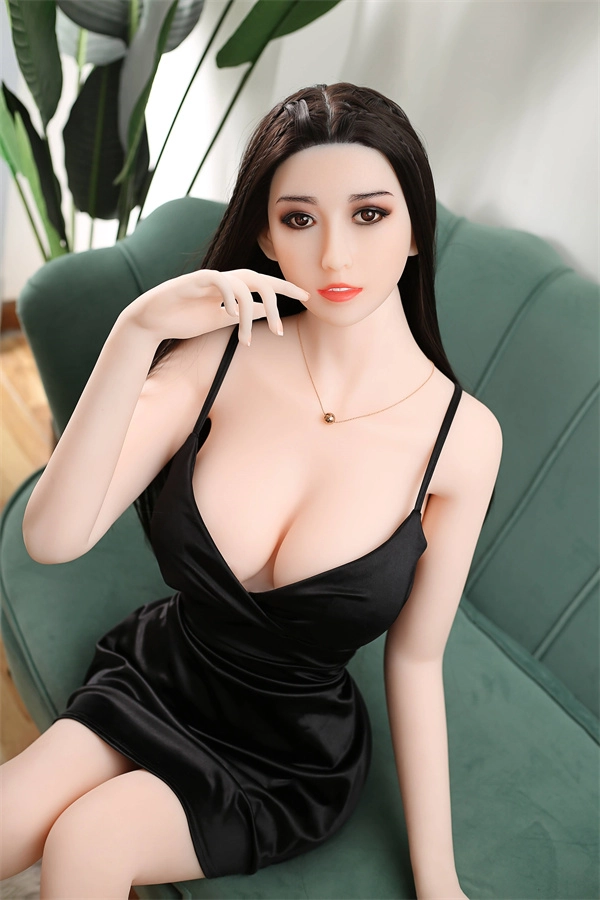
Arrival & X-Ray Scan
Shipment arrives at port of entry. CBP uses X-ray scanners to detect internal structures (skeletons, wiring). Modern scanners reveal doll anatomy, making false "mannequin" declarations ineffective.
Posted November 20, 2025 | By Ava
Last updated: November 20, 2025
Table of Contents
Federal Law vs. Proposed Legislation: The Reality of 2025
The legal status of realistic sex dolls in the United States hinges on a critical distinction: adult-scale dolls are generally legal under Stanley v. Georgia (1969), which protects private possession of obscene materials in the home. However, dolls that depict or resemble minors fall under federal criminal statutes, regardless of private possession claims.
Existing Federal Law: 18 U.S.C. § 1466A
The primary federal statute governing child-like depictions is 18 U.S.C. § 1466A, which prohibits "obscene visual representations of the sexual abuse of children." This statute has been interpreted to cover realistic 3D representations, including physical dolls, that appear to depict minors in sexual contexts. The law applies regardless of whether the depiction is of an actual child or a fictional character.
Source: 18 U.S.C. § 1466A - Cornell Law School Legal Information Institute | Official U.S. Code (govinfo.gov)
The CREEPER Act (H.R. 1186): Proposed, Not Passed
Important clarification: The "Curbing Realistic Exploitative Electronic Pedophilic Robots Act" (H.R. 1186) is a bill/proposal, not yet enacted federal law. As of 2025, it remains in committee and has not been signed into law. However, U.S. Customs and Border Protection (CBP) is already enforcing stricter standards based on existing obscenity definitions under 19 U.S.C. § 1305 (Prohibition of importation of immoral articles).
If H.R. 1186 were to pass, it would explicitly criminalize possession of child-like sex dolls and expand enforcement beyond importation to private ownership. The bill's language targets both static dolls and AI-enabled robotic units that "depict a minor" or are "indistinguishable from a minor."
The Miller Test: Understanding Obscenity Standards
Federal and state courts apply the Miller Test (Miller v. California, 1973) to determine whether material is obscene and therefore unprotected by the First Amendment. The three-part test asks:
- Whether the average person, applying contemporary community standards, would find the work appeals to prurient interests
- Whether the work depicts sexual conduct in a patently offensive way
- Whether the work, taken as a whole, lacks serious literary, artistic, political, or scientific value
For child-like dolls, prosecutors typically argue that the material fails all three prongs, particularly when combined with evidence of intent (e.g., marketing language, accessories, or physical characteristics suggesting youth).
Source: Obscenity - Cornell Law School Legal Information Institute | Miller v. California, 413 U.S. 15 (1973) - Justia
| Legal Framework | Status | Key Provisions | Enforcement Scope |
|---|---|---|---|
| 18 U.S.C. § 1466A (Existing Law) |
Active | Prohibits obscene visual depictions of minors; covers realistic 3D representations | Federal prosecution; applies to possession, distribution, and importation |
| 19 U.S.C. § 1305 (Customs Authority) |
Active | Prohibits importation of "immoral articles" including obscene materials | CBP border enforcement; seizure and destruction authority |
| H.R. 1186 (CREEPER Act) (Proposed Bill) |
Pending | Would explicitly criminalize possession of child-like dolls; covers AI/robotic units | Would expand to private ownership; not yet law |
Private Possession: Stanley v. Georgia
The Supreme Court's decision in Stanley v. Georgia (1969) established that the First Amendment protects private possession of obscene materials in the home. However, this protection does not extend to:
- Materials depicting actual or apparent minors
- Importation of prohibited materials (regulated by CBP)
- Distribution or sale of obscene materials
- Possession in states with explicit bans (see State Ban Map below)
For adult-scale dolls (typically 160cm+ with mature features), private possession remains legally protected in most jurisdictions, provided the doll clearly depicts an adult and is not imported in violation of customs regulations.
Customs Enforcement Profile: What Gets Seized?
U.S. Customs and Border Protection operates under a "Totality of Circumstances" standard when evaluating shipments. This means inspectors consider multiple factors—not just height or facial features—to determine whether a doll violates import prohibitions under 19 U.S.C. § 1305.
Source: 19 U.S.C. § 1305 - Prohibition of importation of immoral articles - Cornell LII | CBP Form 4647 (Notice to Mark/Redeliver) | CBP Form 6051 (Detention Notice)
Green Zone: Low Risk
Generally Compliant
- Height: 160cm (5'3") or taller
- Facial Features: Mature, defined cheekbones; adult proportions; no neotenous characteristics
- Body Proportions: B-cup or larger bust; developed hips; mature pubic detailing
- Clothing/Accessories: Adult lingerie, everyday adult apparel; no school uniforms or juvenile themes
- Documentation: Factory spec sheets with adult measurements; invoices with "adult mannequin" descriptions
Recommendation: These specifications align with CBP training guidelines. Maintain documentation proving adult scale.
Yellow Zone: Moderate Risk
Requires Caution
- Height: 150cm–159cm (4'11"–5'2")
- Facial Features: Ambiguous maturity; some youthful characteristics
- Body Proportions: A-cup or small B-cup; less developed secondary sex characteristics
- Clothing/Accessories: Neutral adult clothing; no clearly juvenile items
- Documentation: Partial spec sheets; generic product descriptions
Recommendation: Subject to enhanced scrutiny. Ensure strong documentation and avoid marketing language suggesting youth.
Red Zone: High Risk
Seizure Likely
- Height: Under 145cm (4'9")
- Facial Features: Neotenous characteristics (oversized eyes, flattened nose, round cheeks); "anime/loli" aesthetic
- Body Proportions: Flat chest (Tanner Stage I-II); undeveloped hips
- Clothing/Accessories: School uniforms, plush toys, childish wigs
- Documentation: Missing spec sheets; marketing using "teen," "petite," "schoolgirl"
Recommendation: Do not import. Triggers CBP's "presumptively minor" classification. Seizure and destruction likely.
Customs Seizure Process: Step-by-Step Flowchart
If CBP determines a shipment violates 19 U.S.C. § 1305, the following process typically occurs:
1
↓
2
Physical Inspection (If Flagged)
CBP officers open package and examine: height, facial features, body proportions, clothing/accessories. They apply "Totality of Circumstances" standard.
CBP officers open package and examine: height, facial features, body proportions, clothing/accessories. They apply "Totality of Circumstances" standard.
↓
3
Detention Notice (CBP Form 6051)
If probable cause exists, shipment is detained for 5–30 days. You receive CBP Form 6051 (Detention Notice) via mail or email. This is not yet a seizure—you can provide documentation.
If probable cause exists, shipment is detained for 5–30 days. You receive CBP Form 6051 (Detention Notice) via mail or email. This is not yet a seizure—you can provide documentation.
↓
4
Notice of Seizure (CBP Form 4647)
If CBP determines violation, you receive CBP Form 4647 (Notice to Mark/Redeliver) or formal seizure notice. Item is classified as contraband under 19 U.S.C. § 1305.
If CBP determines violation, you receive CBP Form 4647 (Notice to Mark/Redeliver) or formal seizure notice. Item is classified as contraband under 19 U.S.C. § 1305.
↓
5
Petition or Abandonment
Option A: File petition within 30 days (requires attorney, evidence, $5,000+ legal fees).
Option B: Abandon item (no appeal, item destroyed).
Option C: No response = automatic forfeiture after 30 days.
Option A: File petition within 30 days (requires attorney, evidence, $5,000+ legal fees).
Option B: Abandon item (no appeal, item destroyed).
Option C: No response = automatic forfeiture after 30 days.
↓
6
Import Alert Created
Your name, address, and payment method are flagged in CBP's system. Future shipments to your address face enhanced scrutiny. Alert remains active for years.
Your name, address, and payment method are flagged in CBP's system. Future shipments to your address face enhanced scrutiny. Alert remains active for years.
Critical Insight: Appealing a seizure is time-consuming and expensive, requiring legal representation and evidence that the item does not violate obscenity standards. Prevention through compliance is far more effective than post-seizure appeals.
State Ban Map & Felony Risks
While federal law governs importation and interstate commerce, state statutes control possession within state borders. Several states have enacted explicit bans on child-like sex dolls, with felony penalties for possession.
High-Risk States: Active Felony Bans
Florida: Fla. Stat. § 847.011
Florida's obscenity statute prohibits possession of materials that "depict or describe sexual conduct" involving minors. The law has been applied to child-like sex dolls, treating possession as a felony offense. The statute mirrors federal trafficking language, meaning mere possession can trigger felony charges without evidence of distribution.
- Penalty: Third-degree felony (up to 5 years imprisonment, $5,000 fine)
- Enforcement: Aggressive prosecution; no grandfather clause for pre-ban purchases
Tennessee: Tenn. Code Ann. § 39-17-902
Tennessee explicitly bans possession of "obscene materials" that depict minors, including physical simulacra. The statute defines obscenity using the Miller Test and applies to both static dolls and AI-enabled units.
- Penalty: Class E felony (1–6 years imprisonment)
- Enforcement: Active; possession is treated as a continuing offense
Kentucky: HB 207 (2024)
Kentucky's legislation criminalizes both possession and distribution of child-like sex dolls, with enhanced penalties for repeat offenses.
- Penalty: Class D felony (1–5 years imprisonment)
- Enforcement: Recent enactment; aggressive enforcement expected
Pending Legislation: States to Monitor
- Pennsylvania (HB 1647): Would classify possession as a third-degree felony
- Minnesota (SF 1577): Would redefine "pornography" to include physical simulacra
- Texas: Multiple bills proposed to close possession loopholes
Practical Takeaway: Research your state's penal code before ordering. Possession statutes rarely include grandfather clauses, meaning pre-ban purchases may still be illegal if the doll is later deemed contraband. Consult a local attorney before transporting dolls across state lines.
How to Document Legality (The Paper Trail)
📋 Buyer's Defense Kit
Download our comprehensive CBP Declaration Checklist to ensure your import documentation meets federal compliance standards. This template includes factory spec sheet requirements, invoice language guidelines, and customs declaration best practices.
📥 Download CBP Declaration Checklist PDFIncludes: Factory spec templates, compliant invoice language, customs form guidance, and documentation retention guidelines.
If you plan to purchase a realistic sex doll, treat the transaction like a regulated asset. Proper documentation can protect you from accusations of intent and help prove compliance if questions arise. Use this checklist for every purchase.
- Factory Spec Sheet (Mandatory)
- Request official manufacturer documentation showing exact measurements (height, bust, waist, hips)
- Ensure the spec sheet explicitly states "adult scale" or "1:1 adult model"
- Keep digital and physical copies in a secure location
- Invoice Description (Critical)
- Avoid keywords that imply youth: "teen," "petite," "schoolgirl," "loli," "mini" (when referring to age, not size)
- Use compliant language: "1:1 Scale Adult Model," "Adult Mannequin," "Realistic Adult Figure"
- Ensure the invoice matches the product description on the vendor's website
- Age Verification (Recommended)
- Purchase from retailers that require 18+ age verification (not just a checkbox)
- Choose vendors that display clear "Adults Only" disclaimers
- Avoid vendors that market to grey-market keywords or use suggestive juvenile language
- Customs Documentation (For Imports)
- Request customs release forms if the shipment passes inspection
- Keep shipping labels and tracking information
- If the shipment is detained, retain all correspondence with CBP
- Payment Records (Digital Hygiene)
- Use traceable payment methods (credit card, PayPal) rather than cryptocurrency or cash
- Payment logs can prove you purchased from compliant vendors, not underground marketplaces
- Maintain records for at least 7 years (statute of limitations for federal crimes)
- Storage & Presentation (Ongoing Compliance)
- Store dolls in adult clothing; avoid juvenile accessories or props
- Do not photograph dolls with school uniforms, plush toys, or other items suggesting youth
- If law enforcement serves a warrant, the scene matters—adult presentation supports compliance claims
Document Retention: Maintain all records in a secure, accessible location. In the event of an investigation, having organized documentation can help your attorney build a defense based on good-faith compliance efforts.
Verified Adult-Scale Collections
Commercial Disclosure: The following product recommendations are provided for informational purposes only. These collections feature dolls that meet the 160cm+ adult-scale standard and are designed with mature secondary sex characteristics. These specifications align with CBP compliance guidelines and reduce seizure risk.
Important Note: Always verify current product specifications and request factory documentation before purchase. Compliance depends on the specific model, not just the collection category. This section is separate from the legal analysis above and does not constitute legal advice or product endorsement.
161cm–170cm Adult-Proportioned Dolls — Compliance-verified height range with mature body proportions.
Customs-Safe Materials — Premium silicone sex doll options with factory documentation available.
Custom Adult Sex Doll Builder — Design compliant adult-scale models with verified specifications.
Frequently Asked Questions
Is it illegal to own a realistic sex doll in the USA?
Owning an adult-scale realistic sex doll (typically 160cm+ with mature features) is generally legal under Stanley v. Georgia, which protects private possession of materials in the home. However, dolls that depict or resemble minors violate 18 U.S.C. § 1466A and are explicitly banned in states like Florida (Fla. Stat. § 847.011), Kentucky, and Tennessee (Tenn. Code Ann. § 39-17-902).
Can Customs seize my doll even if it's not illegal in my state?
Yes. Under 19 U.S.C. § 1305, U.S. Customs and Border Protection can seize and destroy any shipment they believe violates import prohibitions on "immoral articles," even if the item would be legal to possess in your state. CBP uses a "totality of circumstances" standard, considering height, facial features, accessories, and marketing language. Appealing a seizure requires legal representation and is costly, making compliance at the ordering stage essential.
What is the CREEPER Act, and is it law?
The CREEPER Act (H.R. 1186) is a proposed bill, not yet enacted federal law. It would explicitly criminalize possession of child-like sex dolls and cover AI-enabled robotic units. However, CBP is already enforcing stricter standards based on existing obscenity definitions. If the bill passes, it would expand enforcement to private ownership beyond current import restrictions.
What if I bought my doll before state bans were enacted?
Possession statutes rarely include grandfather clauses. If a doll is later deemed contraband under new or existing laws, keeping it can be treated as a continuing offense regardless of purchase date. This is particularly true in states like Florida and Tennessee, where possession is actively prosecuted. Consult a qualified attorney before moving or reselling legacy pieces.
Does the CREEPER Act apply to AI-enabled dolls or robots?
If H.R. 1186 passes, yes—the bill explicitly covers "robotic units" and AI-enabled companions. However, existing law under 18 U.S.C. § 1466A already applies to realistic 3D representations, whether static or animated. Youthful-looking AI doll heads or bodies can trigger the same penalties as static silicone figures.
How do I know if a specific doll is safe to buy?
Follow the 160cm+ height rule, select dolls with mature secondary sex characteristics (B-cup or larger, developed hips), avoid "teen," "petite," or "schoolgirl" marketing language, and request factory spec sheets proving adult scale. When in doubt, choose a different sculpt or consult with a vendor that provides compliance documentation. See the Compliance Checklist section above for detailed guidance.
What is the Miller Test, and how does it apply to sex dolls?
The Miller Test (Miller v. California, 1973) is the three-part standard courts use to determine obscenity. It asks: (1) Does the material appeal to prurient interests? (2) Is it patently offensive? (3) Does it lack serious value? For child-like dolls, prosecutors argue all three prongs are met, particularly when combined with evidence of intent (marketing, accessories, physical characteristics). Adult-scale dolls with mature features are less likely to fail the test.
About the Author

Ava is a Supply Chain Compliance Analyst specializing in CBP seizure dockets, federal import regulations (19 U.S.C. § 1305), and state obscenity statutes. She monitors CBP enforcement trends, analyzes federal case law, and translates complex legal frameworks into practical compliance guidance for importers and collectors of adult-scale realistic companions.
Review Mechanism: This article was legally reviewed by compliance analysts monitoring CBP seizure dockets and federal case law. Legal citations are sourced from primary authorities (U.S. Code via govinfo.gov, Supreme Court decisions via Justia, Cornell Law School LII). Last verified: November 20, 2025.