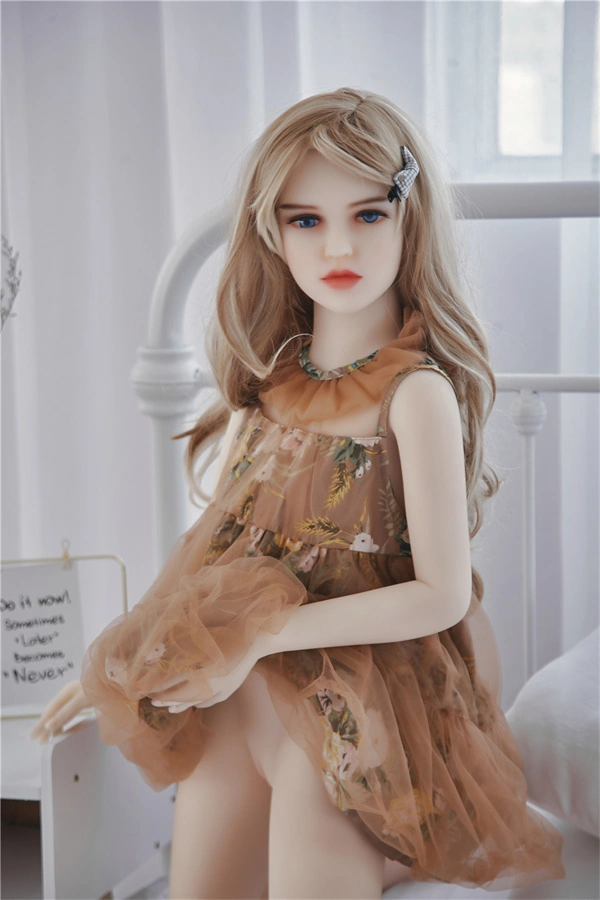
The hydrodynamic water flosser cleaning hack is the single highest-ROI upgrade for any big booty sex doll owner who wants to keep TPE sex doll curves mold-free, silky, and investment-grade. This guide breaks down the science, the safe settings, and the exact workflow so your gluteal clefts and thigh folds stay pristine.
Why hydrodynamic cleaning matters
Big booty TPE dolls combine high-dollar aesthetics with high-risk hygiene and demand a consistent, science-backed intimate hygiene routine. Deep creases trap lube, sweat, and lint, while TPE’s porous, oil-rich surface invites microbial colonization and biofilm accumulation. Traditional cloth wiping fails here: it pushes debris deeper, leaves lint, and requires prying folds apart—adding tear risk. A low-PSI water flosser used as controlled low-pressure irrigation replaces friction with pulsating shear, flushing contaminants from the apex of each fold without stressing the material and supporting long-term fungal infection prevention.
TPE material science: why biofilm wins against cloth
Porous, oil-extended matrix
Sex-doll-grade TPE (SEBS/SBS) is plasticizer-heavy to hit ultra-soft Shore 00–15 feel. That oil extension creates microscopic porosity—fluids wick inward instead of staying on the surface—turning creases into microbial landing strips and making porous material maintenance a non-negotiable part of doll ownership. Understanding TPE porosity and how water moves through the matrix is critical if you want to protect overall TPE skin integrity.
Surface migration and tackiness
Migrating oils raise surface energy, so dust, lint, and skin cells stick. In tight gluteal clefts, this tacky film becomes a biofilm anchor and the starting point for invisible biofilm accumulation. Wiping a sticky surface is like wiping tape: you smear the debris instead of removing it, which is why water-flosser-based, low-shear cleaning is safer for long-term TPE skin integrity.
Anisotropy and tear risk
TPE’s tear strength is lower than its tensile strength, and knit lines form weak points in deep folds. Forcing cloth between compressed cheeks creates tensile stress that can propagate splits (“crotch rot”). Hydrodynamic cleaning reduces mechanical spreading.
Chemical sensitivity
Alcohol, bleach, essential oils, and non-mineral oils extract plasticizers or oxidize styrene blocks, accelerating cracking. Mechanical flushing lets you rely on mild soap plus water—not harsh solvents.
Geometry of risk: why curves become moisture traps
Big booty proportions create narrow-but-deep creases with capillary action that pulls fluid inward and blocks evaporation. When stored sitting or supine, compressed folds form low-oxygen pockets that stay warm and humid—ideal for Aspergillus niger and anaerobic bacteria. A damp cloth can’t reach the apex; it acts like a piston, pushing fluid deeper and leaving lint behind.
The enemy: mold and biofilms
Once mold hyphae penetrate porous TPE, the “black spot” lives inside the matrix—scrubbing only removes surface fruiting bodies. Biofilms add a protective EPS slime that resists wiping and generates odor. Prevention via deep flushing and complete drying is the only viable cure.
Water flosser physics: shear beats friction
Pulsating shear force
Standard oral irrigators pulse 1,200–1,600 times per minute. Those micro-compression cycles create shear that disrupts biofilm without abrasive contact—exactly what sticky TPE needs.
Mini pressure-washer reach
A focused jet reaches the apex of gluteal clefts and thigh rolls where fingers cannot. High-volume flushing dilutes lube, lint, and microbes, carrying them out instead of smearing them.
Spec targets for TPE safety
- Pressure: 10–40 PSI (always start on the lowest “Soft/Sensitive” setting).
- Pulsation: ≥1,200 PPM.
- Tip: standard jet is fine; orthodontic soft-tip is best for accidental contact.
Safety protocols: avoid hydro-cutting soft TPE
⚠ Use only LOW pressure (10–20 PSI) and warm—not hot—water. Never use alcohol, bleach, vinegar, or oils in the tank.
Hydrostatic cutting risk
A stationary, high-PSI jet can erode Shore 00–15 TPE. Keep the nozzle moving, stay on the lowest setting, and avoid directing the stream at micro-tears.
Temperature control
Use 95–100°F water to loosen lube without warping TPE. Boiling or near-boiling water deforms plasticizers and can melt surface texture.
Chemical compatibility
Stick to warm water plus mild, unscented antibacterial soap (e.g., benzalkonium chloride based). Skip alcohol, bleach, vinegar, essential oils, or moisturizing body washes that leave residue.
Step-by-step deep clean playbook
Phase 1: Preparation
- Position: Stand or bend the doll over a tub so gravity drains runoff.
- Mix: Warm water + 2–3 pumps mild antibacterial soap in the reservoir.
- Test: Pulse on your hand at the lowest setting to confirm gentle pressure.
Pro Tip: I always build a repeatable prep checklist—position, mix, test—so my intimate hygiene routine is the same every time. Consistency here keeps the process quick and protects TPE skin integrity from sloppy, rushed setups.
Phase 2: The flush
- Separate folds gently; hover the tip just above TPE.
- Sweep the jet along the crease; let pulsation dislodge gunk.
- Watch runoff turn cloudy as lube and lint exit.
- Refill with plain warm water and repeat for a soap-free rinse.
Pro Tip: I always aim the jet at a 45-degree angle, never straight in—this turns the stream into controlled low-pressure irrigation that flushes debris out instead of hammering it deeper into the porous material.
Phase 3: Drying (non-negotiable)
- Pat dry with microfiber—no rubbing to avoid lint and friction burn.
- Cool-air blast (hair dryer on cool or air duster) into creases to purge droplets.
- Optional: wick with a narrow strip of lint-free towel for 60 seconds, then remove.
Pro Tip: When I’m unsure if it’s truly dry deep inside, I use a clean Q-tip as a moisture probe—if it comes out with dampness or powder clumps, I know there’s still hidden water that could kick off fungal infection prevention failures, so I add more cool air time.
Phase 4: Renewal
- When fully dry, apply cornstarch or renewal powder with a brush.
- Work powder deep into folds to prevent tacky re-stick and reduce shear on movement.
Pro Tip: I lightly dust and then brush in thin layers instead of dumping on one thick coat—heavy powder on barely dry TPE can cake and hide moisture pockets, whereas thin passes keep the surface silky and make long-term porous material maintenance much easier.
5 Fatal Mistakes That Ruin Big Booty TPE Dolls
- High Pressure Danger: Cranking the water flosser to “Jet/High” might feel satisfying, but that concentrated force can literally hydro-cut ultra-soft TPE, opening micro-tears that become gateways for bacteria and water intrusion.
- Hot Water Horror: Using near-boiling water to “sterilize” the area softens the internal structure, warps curves, and permanently distorts sculpted details—lukewarm is enough for hygiene without sacrificing TPE skin integrity.
- Skipping the Drying: The most common fatal mistake is powdering over hidden moisture; this creates doughy clumps in creases that trap humidity, feed mold, and sabotage any serious fungal infection prevention strategy.
- Using Mouthwash: Mouthwash may smell clean, but alcohol and aggressive solvents in many formulas strip plasticizers, embrittle the surface, and slowly destroy the doll’s porous material from the inside out.
- Gravity Error: Flushing a doll lying flat on its back lets dirty water pool in pockets instead of draining—orient her face-down or side-lying so gravity helps fluids escape rather than migrate deeper into internal cavities.
Comparison: Water Flosser vs. Traditional Wiping
| Metric |
Rag & Soap |
Douche Bulb |
Water Flosser |
| Depth of reach |
Poor |
Good |
Excellent |
| Cleaning mechanism |
Friction (smears) |
Low-pressure flood |
Pulsating shear |
| Mold risk |
High |
Medium |
Low (with full dry) |
| TPE safety |
Medium (tear risk) |
High |
High on low PSI |
| Effort |
High |
Medium |
Low |
| “Gunk” removal |
Low |
Medium |
High |
Recommended kit
- Water flosser: Cordless, removable tank, “Soft/Sensitive” 10–30 PSI mode.
- Soap: Mild, antibacterial, unscented, oil-free (avoid moisturizing body washes).
- Powder: Pure cornstarch or renewal powder; avoid talc.
- Air: Cool-air hair dryer or compressed air for moisture purge.
Need vetted options? See our curated picks for cleaning kits and maintenance powders.
Troubleshooting: Water Stuck Inside?
Even with careful technique, a stray jet or hidden micro-tear can let water migrate deeper into the doll’s body. If you suspect internal pooling—hearing sloshing, feeling cool spots, or noticing unexplained weight shifts—treat it immediately to protect internal structure and TPE skin integrity.
- Use gravity first: Position the doll so suspected wet areas are lowest—usually face-down or slightly inverted—and leave her like this so gravity encourages slow drainage toward an exit point.
- Extend air time: Run cool, moving air across the affected region for several hours; I often leave a quiet fan on low overnight so airflow can reach seams and natural vents without overheating the material.
- Add passive moisture absorbers: Place clean, breathable desiccant packs or rice-filled cloth bags near joints, neck openings, or removable head mounts where moisture can slowly vent out.
- Give it 24–48 hours: Don’t rush back into storage; keep the doll in a well-ventilated, neutral-temperature room for one to two days so residual moisture can evaporate instead of becoming a mold nursery.
- Monitor for odors or discoloration: If you notice persistent musty smells or spreading dark spots, stop using the area and consult your manufacturer or a specialist before attempting aggressive DIY repairs.
People are also asking (FAQ)
Is a water flosser safe for ultra-soft TPE curves?
Yes—keep it on the lowest 10–20 PSI, keep the tip moving, and avoid “Jet/High” enamel modes. The goal is a gentle flush, not cutting.
How do I stop black mold after cleaning?
Rinse with plain water, pat dry, blast cool air into the cleft, then powder. Moisture left in deep folds is the mold trigger—drying is the make-or-break step.
Can I add bleach, vinegar, or alcohol to the tank?
No. These strip plasticizers and can damage the flosser. Use only warm water plus mild antibacterial soap.
Conclusion: stop wiping, start flushing
Big booty sex dolls demand big-league hygiene. A low-PSI water flosser replaces friction with hydrodynamic shear, reaches the deepest creases, and—when paired with disciplined drying—blocks the black mold that kills TPE. Respect the material limits, keep the pressure soft, and finish bone-dry with powder. Protect your investment, keep your curves pristine, and turn the "water flosser hack" into your daily insurance policy.
Author name: Eva

Eva specializes in big booty TPE doll care—focusing on hydrodynamic cleaning, mold prevention, and low-PSI maintenance workflows to keep curves pristine and investment-safe.